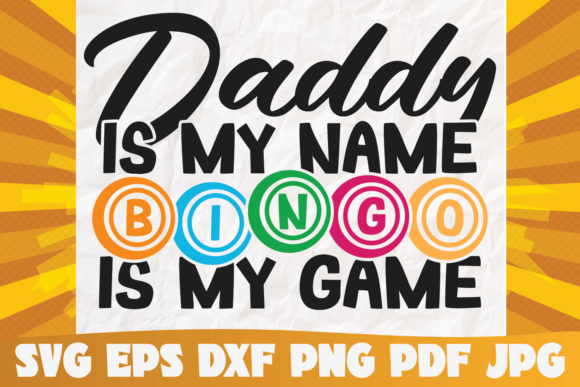
Daddy is My Name Bingo is My Game SVG: A Creator’s Guide to Smart Usage and Avoiding Common Pitfalls
If you've come across Daddy is My Name Bingo is My Game SVG, you're likely exploring creative options for personalized projects, whether for family events, themed apparel, or custom décor. This SVG design is more than just a catchy phrase—it's a versatile digital asset that can be used in a variety of crafting and design applications. However, like any digital product, its value depends heavily on how you choose, use, and apply it.
Understanding the Design and Its Appeal
Daddy is My Name Bingo is My Game SVG is a digitally designed graphic file commonly used in cutting machines like Cricut and Silhouette Studio. It's ideal for creating custom t-shirts, wall art, baby items, and more. The pack typically includes multiple file types—SVG, PNG, EPS, JPEG, DXF, and PDF—ensuring compatibility with a wide range of software and cutting devices.
What makes this design appealing is its flexibility and ease of use. Whether you're a hobbyist or a small business owner, the ability to resize, recolor, and repurpose the design across different mediums makes it a valuable asset in your creative toolkit.
Common Mistakes When Choosing and Using SVG Files
Despite the benefits, many users—especially beginners—make avoidable mistakes that can affect the final outcome of their projects. Here are some of the most common issues and how to avoid them:
1. Overlooking File Compatibility
One of the biggest mistakes is assuming that all SVG files work seamlessly with every design or cutting software. While Daddy is My Name Bingo is My Game SVG is designed to be compatible with popular tools like Cricut Explore, Silhouette Studio, and Adobe Illustrator, it's essential to verify which file type you need based on your specific software.
- Problem: Trying to open an SVG file in a program that doesn't support vector graphics can lead to distorted images or unusable files.
- Solution: Check the supported file formats of your software before downloading. Use the included PDF or EPS files for Adobe programs, and SVG for cutting machines.
2. Ignoring Layer Organization
Many users don’t realize that the layers within an SVG file can greatly impact how easy it is to edit or cut. The Daddy is My Name Bingo is My Game SVG pack mentions “well-defined, continuously tested layers,” which is a major plus.
- Problem: Messy or unorganized layers can cause misalignment, incorrect cuts, or difficulty in editing specific parts of the design.
- Solution: Always inspect the layer structure in your design software. Make sure elements like text and graphics are separated for easier customization.
3. Resizing Without Understanding Vector Properties
One of the key benefits of SVG files is their scalability. However, some users still treat them like raster images (like JPEGs or PNGs), which can lead to confusion.
- Problem: Trying to scale a PNG version of the design too large can result in pixelation and poor print quality.
- Solution: Use the SVG or PDF version when resizing for larger applications like wall decals or banners. These formats maintain clarity at any size.
4. Not Checking Licensing or Usage Rights
Even if you've downloaded a design from a reputable source, it's crucial to understand what you're allowed to do with it.
- Problem: Using the design for commercial purposes without proper licensing can lead to legal issues, especially if you're selling products featuring the design.
- Solution: Always read the terms of use included with the file pack. If you're unsure, contact the designer or platform for clarification.
How Mistakes Impact Your Projects
These errors might seem minor, but they can significantly affect the outcome of your project. Misaligned cuts can ruin a batch of shirts, poor file choices can lead to wasted materials, and legal missteps can halt your small business in its tracks. Avoiding these issues isn't just about saving time—it's about ensuring your creative work looks professional and functions as intended.
What to Check Before Downloading or Using the File
Before you start using Daddy is My Name Bingo is My Game SVG, make sure you've covered the following bases:
- File Types Included: Confirm the pack includes all necessary formats (SVG, PNG, EPS, etc.) for your intended use.
- Software Compatibility: Match the file type to your software—especially if you're using Adobe tools or a specific cutting machine.
- Layer Structure: Preview the file if possible to ensure layers are organized and easy to edit.
- Usage Rights: Know whether the design can be used for personal or commercial purposes.
- Design Quality: Look for clean lines, clear text, and proper spacing—especially important for cutting machines to read correctly.
Better Approaches for a Smoother Experience
Here are some practical steps to ensure you get the most out of your Daddy is My Name Bingo is My Game SVG:
- Test with a Small Project First: Before committing to a large print run or expensive materials, do a test cut or print on scrap paper or fabric.
- Use the Right File for the Job: Use SVG for cutting machines, PNG for digital use (like social media), and EPS or PDF for high-quality prints or editing in Adobe software.
- Organize Your Files: Save each file type in clearly labeled folders to avoid confusion later.
- Keep Backups: Always keep a copy of the original files in case you need to revert or reuse the design later.
Conclusion: Make Informed Creative Choices
The Daddy is My Name Bingo is My Game SVG pack offers a lot of creative potential, but like any tool, its effectiveness depends on how you use it. By understanding file types, checking compatibility, respecting licensing, and testing before committing, you can avoid common pitfalls and make the most of your design. Whether you're a beginner or a seasoned creator, a thoughtful approach ensures your projects turn out polished, professional, and ready for whatever creative endeavor you're pursuing.