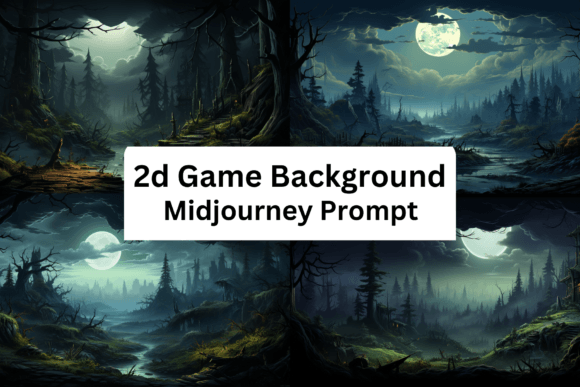
Mastering the Art of AI Prompts for 2D Game Backgrounds
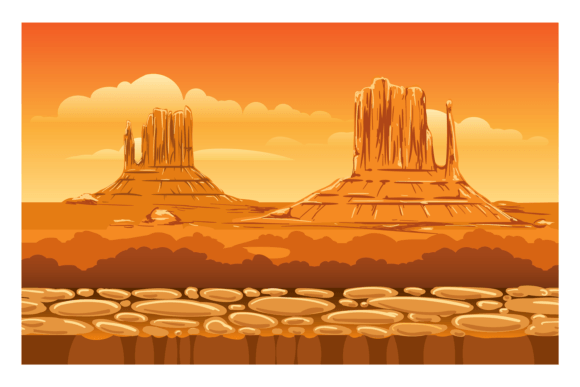
Immerse yourself in richly detailed 2D game backgrounds that breathe life into every pixel. These meticulously crafted vistas serve as the canvas for your gaming adventures, whether you are traversing through mystical forests, navigating bustling city streets, or exploring ancient ruins. For decades, creating these environments required months of laborious hand-painting, layering, and blending. Today, the landscape has shifted dramatically. The ability to generate stunning AI prompts for 2D game backgrounds has become a cornerstone skill for modern creators, allowing them to visualize complex worlds in minutes rather than months.
What Are AI Prompts for 2D Game Backgrounds?
At its core, an AI prompt for 2D game backgrounds is a carefully constructed text description fed into a generative artificial intelligence model. It is not merely a keyword search; it is a directive language that tells the software exactly how to interpret style, lighting, composition, and atmosphere. When you write a prompt like "cyberpunk alleyway, neon rain, wet pavement reflection, low angle, cel-shaded," you are acting as the art director, guiding the algorithm to produce a specific visual outcome tailored for a 2D platformer or side-scroller.
Unlike generic image generation, these prompts require a specific focus on consistency, resolution, and asset usability. A successful prompt ensures the background does not distract from gameplay but enhances it, providing depth without clutter. It bridges the gap between a developer's imagination and the final rendered scene, turning abstract concepts into tangible, playable environments.
Why and When to Use AI-Generated Vistas
The decision to utilize AI prompts for 2D game backgrounds often comes down to resource management and creative velocity. In the fast-paced world of indie development and prototyping, time is the most valuable currency. When you are in the early stages of a project, you need to test level design, camera angles, and player movement before committing to final art assets. AI allows you to iterate rapidly. You can generate five different versions of a haunted mansion entrance in the time it would take to sketch one by hand.
Furthermore, this technology democratizes high-quality art. Not every game designer is a trained illustrator, yet every game needs a compelling visual identity. By leveraging AI, entrepreneurs and hobbyists can bypass the steep learning curve of digital painting while still achieving professional-grade aesthetics. This is particularly useful when pitching a game concept to investors or publishers; a polished, atmospheric background can convey the tone of the game far more effectively than a wireframe or placeholder geometry.
Real-World Applications Across Different Sectors
The utility of these prompts extends far beyond traditional game studios. Here is how various professionals and enthusiasts are applying this technology in their daily workflows:
- Indie Developers and Solo Creators: For a solo developer working on a narrative-driven adventure game, AI serves as an infinite storyboard artist. They can quickly generate backgrounds for cutscenes, ensuring the mood matches the dialogue without hiring a full-time concept artist. If the story shifts from a sunny meadow to a stormy cliffside, the background can be updated instantly to match the new narrative direction.
- Marketing Teams and Publishers: Marketing departments often need striking visuals for social media campaigns, trailers, or store pages before the game is fully complete. Using AI prompts, they can create hype-building imagery that showcases the potential aesthetic of the game, driving pre-orders and community engagement without waiting for the final build.
- Educators and Workshop Leaders: In game design courses, instructors use AI prompts to teach students about color theory, composition, and environmental storytelling. Students learn to describe what they want visually, fostering a deeper understanding of how textual descriptions translate to visual outcomes. It shifts the focus from technical drawing skills to creative direction.
- Freelance Asset Designers: Freelancers offering background assets on marketplaces can use AI to expand their portfolios. Instead of spending weeks painting unique scenes, they can generate base images and then refine them in Photoshop, offering a wider variety of styles—from pixel art to watercolor—to their clients at a competitive price point.
- Board Game and Tabletop Enthusiasts: Hobbyists designing custom board games or tabletop RPG campaigns often need thematic maps and backdrops. AI prompts allow them to create immersive settings for their players, enhancing the role-playing experience with visuals that feel bespoke to their specific campaign lore.
Strategic Considerations Before You Begin
While the power of AI is immense, it is not a magic wand that requires no thought. Before diving into generating assets, there are critical factors to consider to ensure the results are usable and legally sound.
Consistency and Style Matching is perhaps the biggest challenge. A game needs a cohesive look; a background generated in a photorealistic style will clash horribly with pixel-art characters. When crafting your AI prompts for 2D game backgrounds, you must include specific style descriptors. Terms like "flat vector," "hand-drawn ink," "retro 16-bit," or "watercolor wash" are essential. Without these, the AI may default to a generic 3D render style that breaks immersion.
Licensing and Copyright is another area that demands attention. The legal landscape regarding AI-generated content is still evolving. If you plan to sell your game commercially, you must understand the terms of service of the AI tool you are using. Some platforms grant full commercial rights to users, while others restrict usage or claim ownership of the output. Always verify that the specific model and subscription tier you are using allow for commercial exploitation of the generated assets.
Post-Processing Requirements should also be factored in. Rarely does an AI image come out perfectly ready for a game engine. You will likely need to clean up artifacts, adjust the aspect ratio, or separate layers for parallax scrolling effects. Treat the AI output as a high-fidelity concept art piece that requires refinement, not a finished product. Plan your workflow to include time for editing in tools like Photoshop, GIMP, or Aseprite.
Connecting Features to Real Outcomes
The true value of mastering these prompts lies in the outcomes they enable. When you craft a precise prompt describing "ancient ruins overgrown with bioluminescent moss, soft ambient lighting, wide shot," you aren't just getting a picture; you are establishing the emotional baseline for a level. This influences how players feel as they navigate the space. A well-executed background guides the player's eye, hints at hidden paths, and sets the pacing of the game.
For business owners and marketers, the outcome is speed-to-market. Being able to visualize a product concept immediately allows for faster feedback loops with stakeholders. You can present three distinct visual directions for a game's setting and make data-driven decisions on which path to pursue based on team or audience reaction, rather than guessing.
Ultimately, AI prompts for 2D game backgrounds empower creators to focus on what they do best: storytelling and gameplay mechanics. By offloading the heavy lifting of environment creation to intelligent algorithms, humans are freed to refine the interactive elements that make a game truly memorable. Whether you are building a AAA title or a weekend hobby project, the ability to summon vivid, breathing worlds through text is a transformative skill that defines the next generation of digital entertainment.