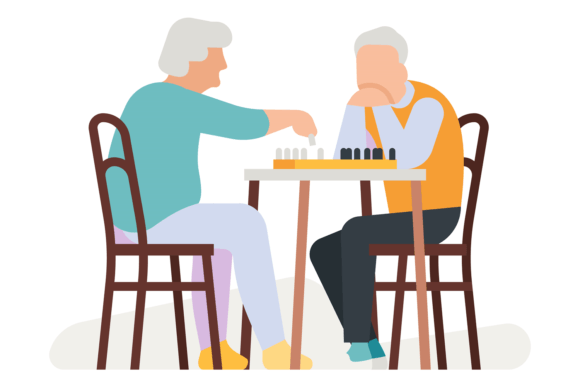
Old Men Playing Chess Board Game. Elderl
In the visual language of design, few images carry as much weight and narrative potential as Old Men Playing Chess Board Game. Elderl. This specific imagery, often rendered as elderly people activity isolated on white background EPS or JPG, serves as a powerful anchor for projects ranging from healthcare marketing to lifestyle branding. It is not merely a picture of two seniors; it is a concentrated symbol of strategy, longevity, mental acuity, and human connection. For creators, marketers, and designers, understanding how to leverage this asset effectively can transform a generic campaign into a compelling story that resonates deeply with adult audiences aged 20 to 50.
The Power of Strategic Imagery in Modern Design
When you encounter an image of elderly men engaged in a chess match, you are looking at a complex interplay of light, shadow, and expression. The "isolated on white background" format is particularly valuable because it strips away environmental distractions, forcing the viewer to focus entirely on the subjects and their interaction. This isolation makes the asset incredibly versatile. Whether you need to overlay text for a blog header, integrate the figure into a complex infographic about cognitive health, or use it as a focal point in a digital ad, the clean edges of an EPS file allow for seamless integration.
For entrepreneurs and small business owners, this imagery offers a shortcut to credibility. In industries like financial planning, retirement consulting, or senior living communities, showing active, engaged elders challenges the stereotype of decline. Instead, it presents a vision of continued growth and intellectual sharpness. The chess board itself acts as a metaphor for life’s strategic decisions, making the image applicable far beyond the literal game. It suggests that wisdom is not just accumulated over time but actively applied.
Decoding the Visual Narrative
To use Old Men Playing Chess Board Game. Elderl effectively, one must understand the subtext it communicates. The posture of the players, the intensity of their gaze, and the positioning of the pieces all tell a story. A player leaning forward suggests aggression and focus, while a relaxed posture might imply confidence or contemplation. When selecting or creating this type of content, these nuances matter. A designer aiming to promote a memory care facility might choose an image where the players look supportive and collaborative, whereas a tech company selling brain-training apps might opt for a scene of intense concentration.
The "white background" element is also a functional necessity for modern web design. It ensures that the subject pops against various website color schemes without clashing. For bloggers and content creators who lack advanced photo editing skills, starting with high-quality EPS or JPG files that are already isolated saves hours of work. It allows for quick iteration, enabling you to test different layouts and color palettes to see what drives engagement with your audience.
Creative Applications Across Industries
The versatility of this theme extends well beyond traditional senior-focused sectors. Marketers and educators can adapt the concept to fit diverse goals and platforms. Here are several practical ways to apply this imagery creatively:
- Healthcare and Wellness Campaigns: Use the image to illustrate articles on neuroplasticity, dementia prevention, or the benefits of social interaction for the elderly. The chessboard becomes a prop representing brain exercise, making abstract medical concepts more relatable and tangible.
- Financial Planning and Retirement Services: Position the image alongside copy about long-term investment strategies. The chess game mirrors the careful moves required in portfolio management, appealing to adults in their 30s and 40s who are planning for their future selves.
- Educational Content and E-Learning: In courses on leadership or conflict resolution, the image can serve as a case study for negotiation and foresight. It provides a visual break in text-heavy modules, keeping learners engaged.
- Lifestyle Branding: Fashion brands targeting older demographics can use the image to showcase style and sophistication. It moves away from clinical representations of aging toward aspirational lifestyles.
Adapting for Digital Platforms
Different platforms require different approaches to the same asset. On Instagram or Pinterest, where visual impact is paramount, the full-color, high-resolution version of elderly people activity isolated on white background works best. Pair it with bold typography that highlights a key statistic or an inspiring quote about aging. The contrast between the stark white background and vibrant colors in the clothing or skin tones draws the eye immediately.
Conversely, for LinkedIn or professional blogs, a more subdued approach may be necessary. You might desaturate the image slightly or place it within a grid layout that includes data visualization. Here, the goal is to support the argument rather than dominate the feed. For video content, such as YouTube intros or TikTok clips, animating elements of the static image—perhaps having the chess pieces move or the camera slowly zoom in on the players' faces—can add dynamic interest without losing the core message.
Ensuring Authenticity and Respect
While the creative possibilities are vast, there is a critical responsibility to represent the subjects authentically. Avoid using stock photos that feel staged or patronizing. The best images capture genuine moments of engagement. When searching for or commissioning Old Men Playing Chess Board Game. Elderl, look for details that suggest real life: worn hands, focused expressions, perhaps a slight frown of concentration or a smile of triumph. These imperfections make the image human and relatable.
Furthermore, avoid reinforcing negative stereotypes about aging. The image should not suggest that chess is the only activity available to the elderly, nor should it imply that they are waiting out their final days. Instead, frame the activity as part of a vibrant, ongoing life. This aligns with Google's Helpful Content principles, which prioritize user experience and authentic representation over manipulative or misleading visuals.
Practical Tips for Implementation
To keep your results clear and effective, follow these guidelines when integrating this imagery into your projects:
- Maintain Consistency: If you use this style of imagery, ensure it matches the overall tone of your brand. A playful, cartoonish chess image will clash with a serious corporate report, just as a hyper-realistic photo might feel out of place in a whimsical children's book.
- Optimize for Speed: While high-resolution EPS files are great for print, ensure your web versions (JPG or PNG) are compressed appropriately. Large files slow down page load times, negatively impacting SEO and user retention.
- Contextualize with Copy: Never let the image speak for itself if the message isn't obvious. Use strong headlines and supporting text to guide the viewer's interpretation. Explain why the chess game matters in your specific context.
- Test Variations: Experiment with cropping. Sometimes a close-up of the hands moving a piece is more powerful than a wide shot of the two men. A/B testing different crops can reveal what resonates most with your audience.
Conclusion: A Timeless Asset for Modern Creators
The image of Old Men Playing Chess Board Game. Elderl is more than a stock photo; it is a versatile tool for storytelling. By understanding its symbolic weight and technical flexibility, creators can produce content that is both visually striking and deeply meaningful. Whether you are designing a brochure for a retirement community, writing a blog post about strategic thinking, or building a brand identity for a wellness startup, this imagery offers a foundation of trust and wisdom.
As we move forward in a digital landscape that often feels rushed and superficial, the deliberate pace of a chess game offers a refreshing counter-narrative. It reminds us of the value of patience, strategy, and connection. By leveraging this imagery thoughtfully, you not only enhance your visual communication but also contribute to a more nuanced and respectful conversation about aging and capability in society. The next time you reach for an asset, consider the depth of the story it tells and how it can serve your audience's needs with clarity and inspiration.